Product recalls are one of those things most companies assume will never happen to them.
Until they do.
And when they happen, it is rarely just about a defective product. A huge number of recalls come down to something much less obvious. Documentation.
Missing instructions, unclear warnings, incorrect labeling, or poorly translated materials can all trigger serious issues once a product reaches customers. At that point, it is not just a quality problem. It becomes a liability problem.
If you want to avoid recalls, your documentation needs to do more than exist. It needs to protect you.
Why Documentation Plays a Bigger Role Than You Think
Most companies focus heavily on product design, manufacturing, and testing. That makes sense.
But documentation is what connects your product to the end user.
If that connection breaks, even a well built product can become dangerous. When customers do not understand how to use something properly, mistakes happen. And when those mistakes happen at scale, recalls follow.
Retailers, regulators, and distributors all look at documentation as a safety net. If that safety net is weak, your risk goes up fast.
The Types of Documentation That Actually Matter
Not all documentation carries the same weight when it comes to recalls.
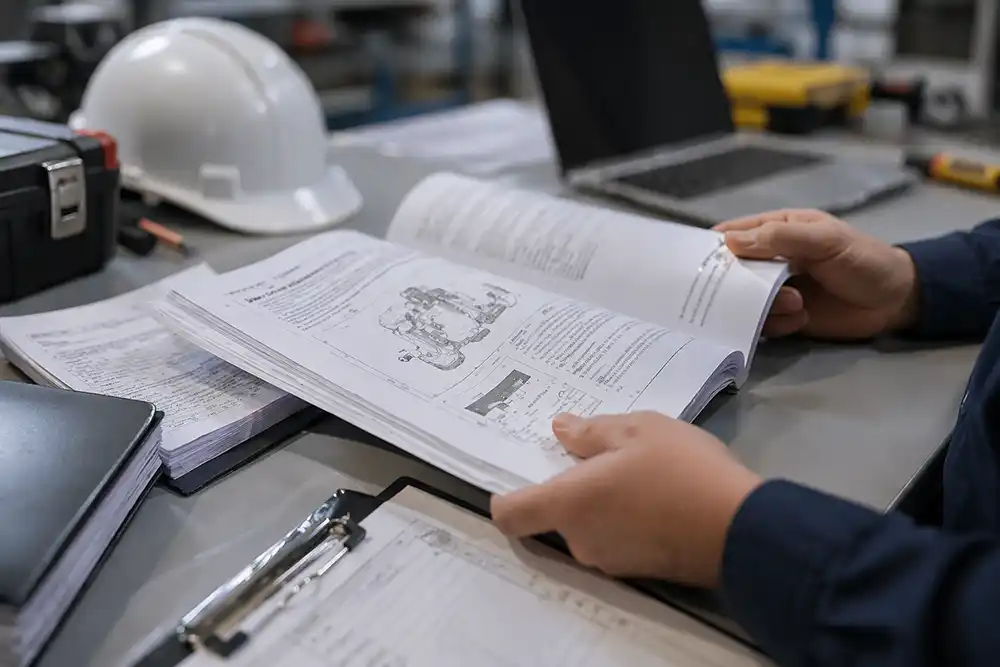
Instruction manuals are the most obvious piece. They need to clearly explain how to set up, use, and maintain your product. If a user cannot follow your instructions without confusion, that is a problem waiting to happen.
Safety warnings are just as critical. These need to be visible, easy to understand, and placed in the right context. Generic warnings are not enough. They have to directly relate to how your product is used in real situations.
Labeling is another area that causes issues. Your packaging, product labels, and manuals all need to match. If there are inconsistencies or missing details, it creates confusion and opens the door for errors.
Then there is compliance documentation. Depending on your industry, this could include regulatory standards, testing information, or certification details. If these are missing or unclear, it raises red flags immediately.
Where Most Companies Go Wrong
The biggest mistake is treating documentation like an afterthought.
It often gets pushed to the end of the process, rushed together, or copied from previous products without proper updates. That might work for internal use, but it does not hold up under real world conditions.
Another common issue is assuming basic clarity is enough. Just because something makes sense to your team does not mean it makes sense to a customer who has never seen your product before.
Translation is another weak point. Poorly translated instructions can completely change the meaning of safety information. That is not just a usability issue. It is a legal risk.
How Recalls Actually Start
Most recalls do not begin with a major failure.
They start small.
A customer misuses a product because the instructions were unclear. Someone ignores a warning because it was buried or poorly written. A technician installs something incorrectly because the steps were confusing.
Individually, these seem like isolated incidents. But when they repeat across hundreds or thousands of users, they turn into patterns. That is when companies are forced to act.
Better documentation stops those patterns before they start.
What Strong Documentation Looks Like
Good documentation is not just about covering your bases. It is about removing uncertainty.
Clear instructions that walk users through every step without assumptions. Safety warnings that are specific, visible, and easy to understand. Consistent terminology across manuals, labels, and packaging so nothing gets lost in translation.
It also means structuring your content in a way that people can actually follow. If users have to dig through paragraphs to find critical information, they are going to miss it.
The goal is simple. Make it almost impossible for someone to misuse your product because of unclear information.
How to Reduce Recall Risk Before It Becomes a Problem
The smartest companies build documentation into their process early.
Instead of waiting until the product is finished, they develop manuals and instructions alongside it. That way, gaps get identified before the product ever reaches the market.
It also helps to review documentation from an outside perspective. Internal teams are often too close to the product to spot confusion points.
Regular updates matter too. As products evolve, documentation needs to keep up. Outdated manuals are one of the fastest ways to create problems.
The Real Cost of Ignoring Documentation
A recall is expensive. That part is obvious.
What is less obvious is how quickly costs add up beyond the recall itself. Lost retail opportunities, damaged relationships, legal exposure, and brand reputation all take a hit.
In many cases, the cost of fixing documentation upfront is a fraction of what a recall would cost later.
That is why more companies are investing in professional documentation support. Not just to create manuals, but to reduce risk at every stage.
Final Thoughts
If you are asking what documentation you need to avoid product recalls, you are already ahead of most companies.
The answer is not just more documentation. It is better documentation.
Clear, consistent, and compliant materials that guide users, reduce confusion, and eliminate risk wherever possible.
Because at the end of the day, your documentation is not just explaining your product. It is protecting your business.
Product Recall FAQs
Can poor documentation cause a product recall?
Yes, unclear instructions or missing safety warnings can lead to misuse, which can result in recalls if issues occur at scale.
What documentation is required for product safety?
Most products require clear instruction manuals, visible safety warnings, accurate labeling, and compliance documentation based on industry standards.
How do I reduce the risk of a product recall?
You reduce risk by creating clear, consistent, and compliant documentation that helps users properly understand and safely use your product.
Are instruction manuals legally required?
In many industries, yes. Manuals are often required to ensure safe use and to reduce liability for manufacturers.
Does translation affect product safety documentation?
Yes, poor translation can distort safety instructions and create serious risks, especially in multilingual markets.
Related Service: Document Production